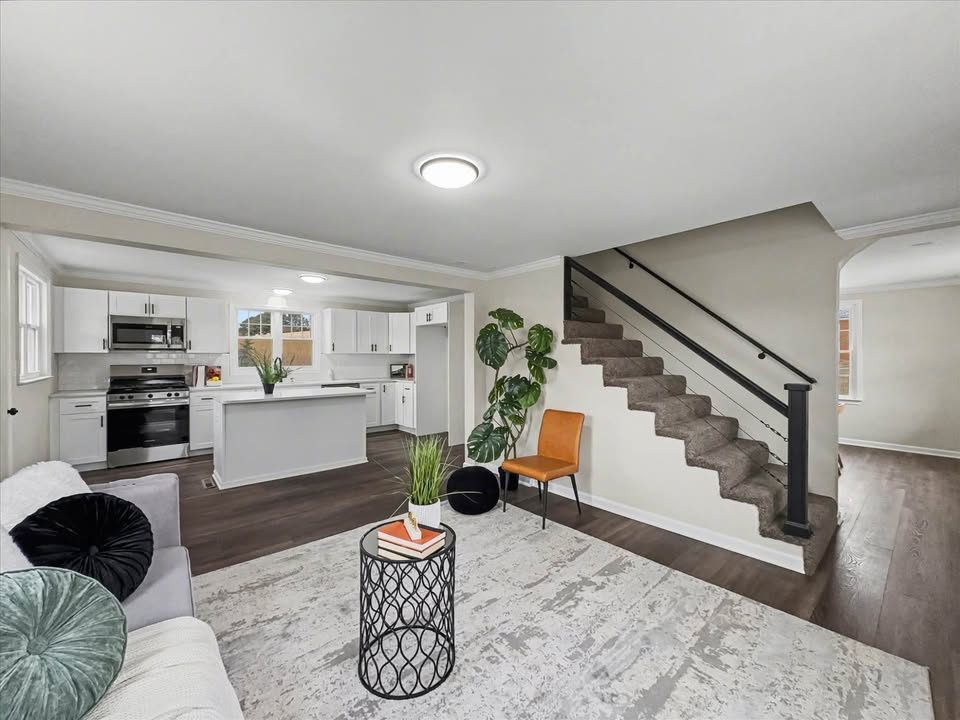

The honest 2026 ranges most homeowners actually land in, the five things that drive cost the most, and a simple framework for setting your budget before you talk to a contractor.
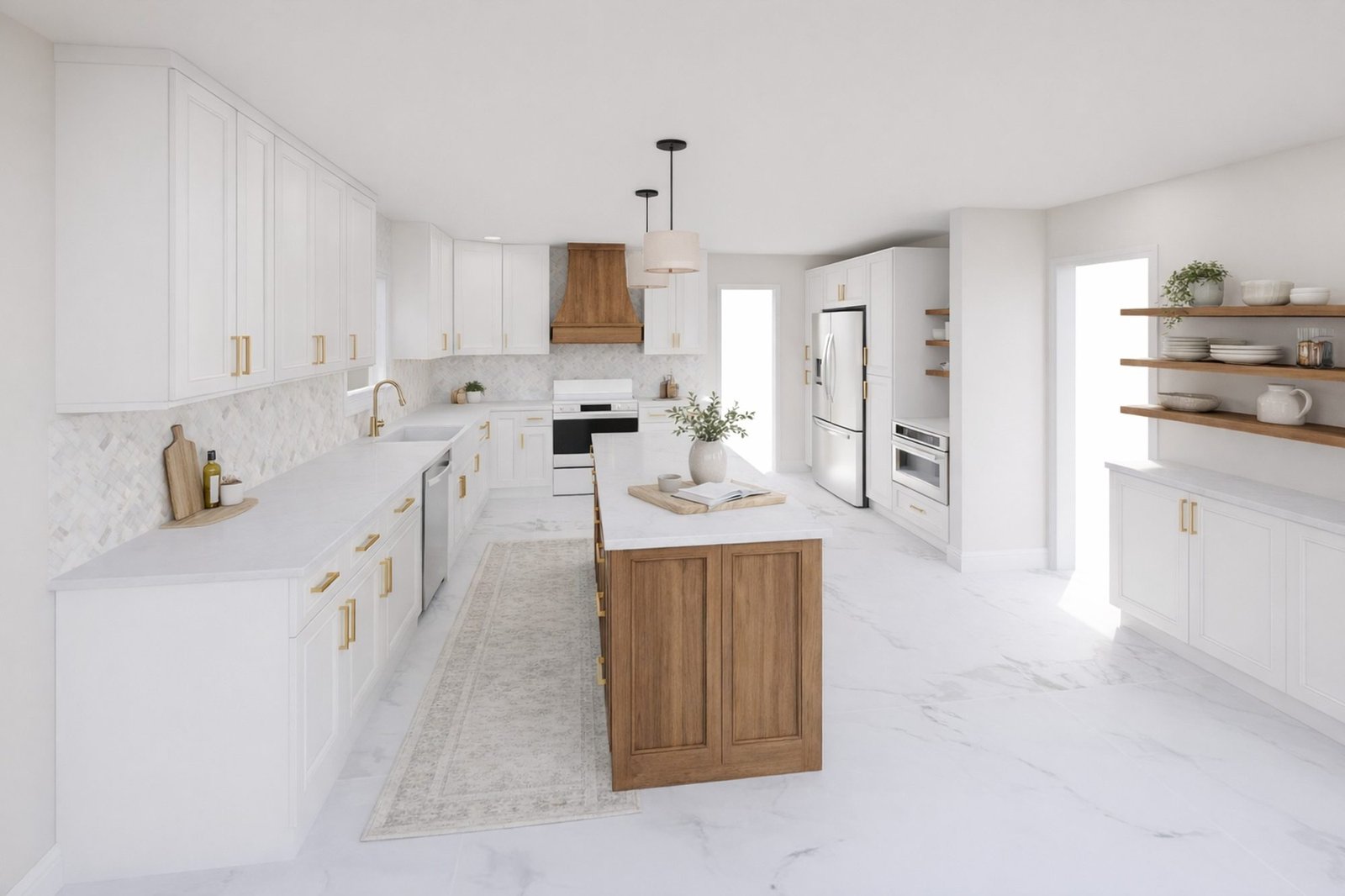
Most homeowners come to us with a number in their head. That number usually comes from a friend's project five years ago, or a national average from a Google search. Both are wrong, in opposite directions. The friend's project is outdated. The national average is blended across markets and scopes that have nothing to do with your kitchen.
What follows are the actual ranges we see in 2026, the five things that drive cost more than anything else, and a simple framework for setting a budget that holds up.
The honest ranges (York & Central PA, 2026)
| Scope | Typical investment |
|---|---|
| Light refresh. Paint, hardware, counters, fixtures. Cabinetry stays. | $25K-$35K |
| Full remodel, existing footprint. New cabinetry, appliances, lighting, finishes. | $40K-$65K |
| Full remodel with layout changes. Wall removal, new electrical and plumbing, custom millwork. | $65K-$110K |
| Whole-kitchen-and-then-some. Adjacent room opened in, structural beam work. | $110K+ |
These are inclusive of design, cabinetry, counters, appliances, electrical, plumbing, finishes, project management, and trade labor. They do not include permits, structural engineering, or major HVAC re-routing, which add 5 to 10 percent for most projects.
Five things that drive the cost
1. Cabinetry (50-60% of the budget)
Cabinets are the single biggest line item. Stock runs $5,000 to $12,000; mid-tier semi-custom $20,000 to $40,000; fully custom $45,000 to $90,000 or more. The decision is rarely about price alone, it's about how long the cabinetry needs to last and how exactly it needs to fit your kitchen.
2. Layout changes
Moving a wall is rarely just moving a wall. It's an electrician re-routing circuits, a plumber re-routing lines, an HVAC adjustment, a structural engineer if it's load-bearing, a permit, and a header beam. A single change can add $8,000 to $25,000, depending on what's behind that wall. It's often the single biggest improvement to how a kitchen lives. Just know the cost going in.
3. Counter material
For a typical 60 square feet: laminate $1,500-$2,500; quartz $4,500-$9,000; granite $4,000-$8,000; quartzite $6,000-$12,000; marble (Carrara) $7,500-$15,000; marble (Calacatta) $12,000-$30,000+. For most projects, quartz hits the right balance of cost, durability, and flexibility.
4. Appliance package
A standard stainless package runs $4,500 to $8,000. A professional, panel-ready built-in package (Sub-Zero, Wolf, Miele) runs $25,000 to $60,000+. Worth the premium sometimes, but rarely in proportion to resale unless you're at the top of the market. We talk this through with every client.
5. The trades you can't see
Electrical, plumbing, HVAC, drywall and paint, flooring, permits. None of these are glamorous. All of them are required. Together they add 15 to 25 percent of a typical project.
A simple framework for your budget
Most homeowners start backwards, with a number, and try to fit a scope into it. The better approach starts with what your home is worth:
- Start with your home's current value.
- Plan to invest 10 to 15 percent of home value in the kitchen for a full remodel.
- Add a 15 percent contingency on top, not because you'll spend it, but because the homeowner who has it sleeps better.
- If your scope wants more than the number supports, choose: scale the scope, or fund the budget. Wanting the scope without funding it is where projects stall mid-build.
Start with a clear scope, not a number. The number anchors the conversation; the scope is what actually gets built.
If you're starting to think about your kitchen, the best first step is a conversation about scope, not a number. We do free in-home consultations specifically for this, no pitch, no commitment. Schedule a kitchen consultation.